The chain
Four reasons, and none of them is a markup
They compound, which is why the gap with East Africa is a multiple rather than a percentage.
One: the policy
Botswana has pursued a high-value, low-volume approach to tourism for decades: fewer visitors paying more, rather than more visitors paying less, on the reasoning that the wilderness is the asset and crowding degrades it.
Everything else on this page sits inside that framework. It is a national choice rather than a pricing strategy invented by operators, and it is applied through how land is allocated rather than through prices directly.
Two: bed caps on enormous leases
Most of the good safari land in northern Botswana is concession — leased to a single operator rather than open to anybody with a gate fee — and the leases limit how many beds may exist across the area.
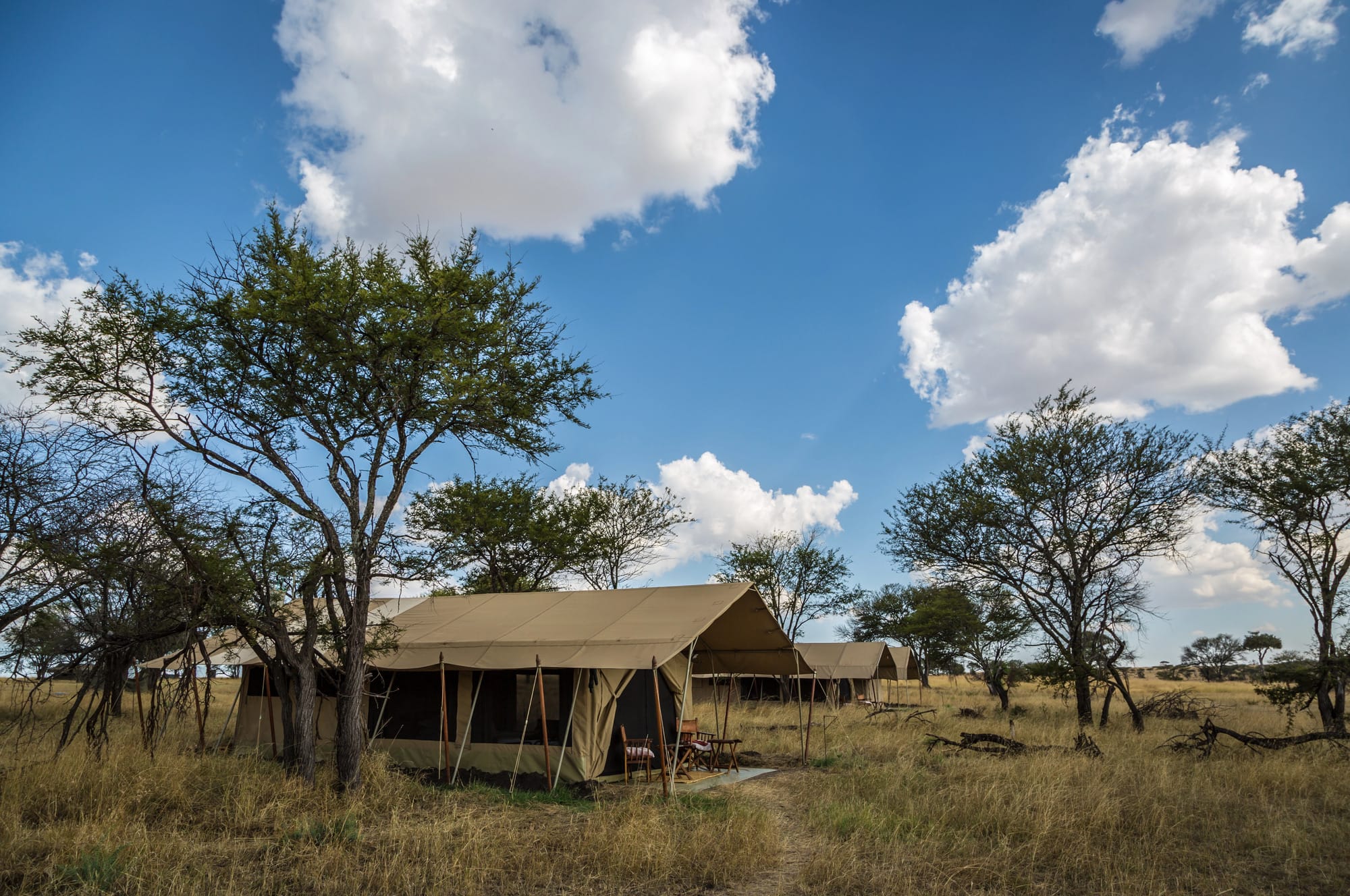
So a nine-tent camp with a lease over tens of thousands of acres has eighteen guests from whom to earn the rent on all of it, plus staff, vehicles, fuel and aircraft.
The same standard of camp on land where a forty-room lodge would be permitted divides those costs across eighty guests instead. That single difference accounts for a large part of the gap, and it is why the thing you are buying is the land around the camp rather than the camp.
Three: everything arrives by air
There is very little road access into the Delta and most of the concessions. Guests, staff, fuel, building materials and a substantial proportion of the food arrive by light aircraft.
This is a permanent cost base rather than a markup and it applies to a modest camp as much as an expensive one. It is also why internal flying is a larger share of a Botswana quote than of almost any other destination, and why the number of moves matters so much to a total here.
Four: fees that fall due regardless
Concession fees, bed levies and park charges flow to government and, where the land is community-held, to community trusts. A significant part is payable on the lease rather than on occupancy.
That is the mechanism that makes wilderness worth more than the alternative uses of the land, and it is the same principle as a Kenyan conservancy lease, applied at larger scale with the state as a more central party. It also means the operator carries that cost through a low season with no guests in it, and recovers it from the ones who do come.
How they compound
| Driver | Effect on your invoice |
|---|---|
| Low-volume policy | Very little supply at the bottom of the market |
| Bed caps on big leases | Rent divided across very few guests |
| Air-dependent logistics | A high fixed cost base at every price level |
| Fees payable on the lease | Low-season cost recovered from high-season guests |
| All four together | A multiple rather than a premium |
What it does not explain
It does not explain a camp charging top-band rates on public park land under statutory rules, where none of the permissions or the emptiness apply. That is hospitality pricing and it should be assessed as such.
The structural argument above applies to concession camps. Ask which you are looking at — it is a one-sentence answer and the price alone will not tell you.
Ask for it itemised
Our Botswana specialist replies within 24 hours with beds, fees, levies and every flight leg shown separately.