Policy
Fewer people paying more, on purpose
It is the reason Botswana feels the way it does, and the reason a great many people cannot afford to go.
The idea
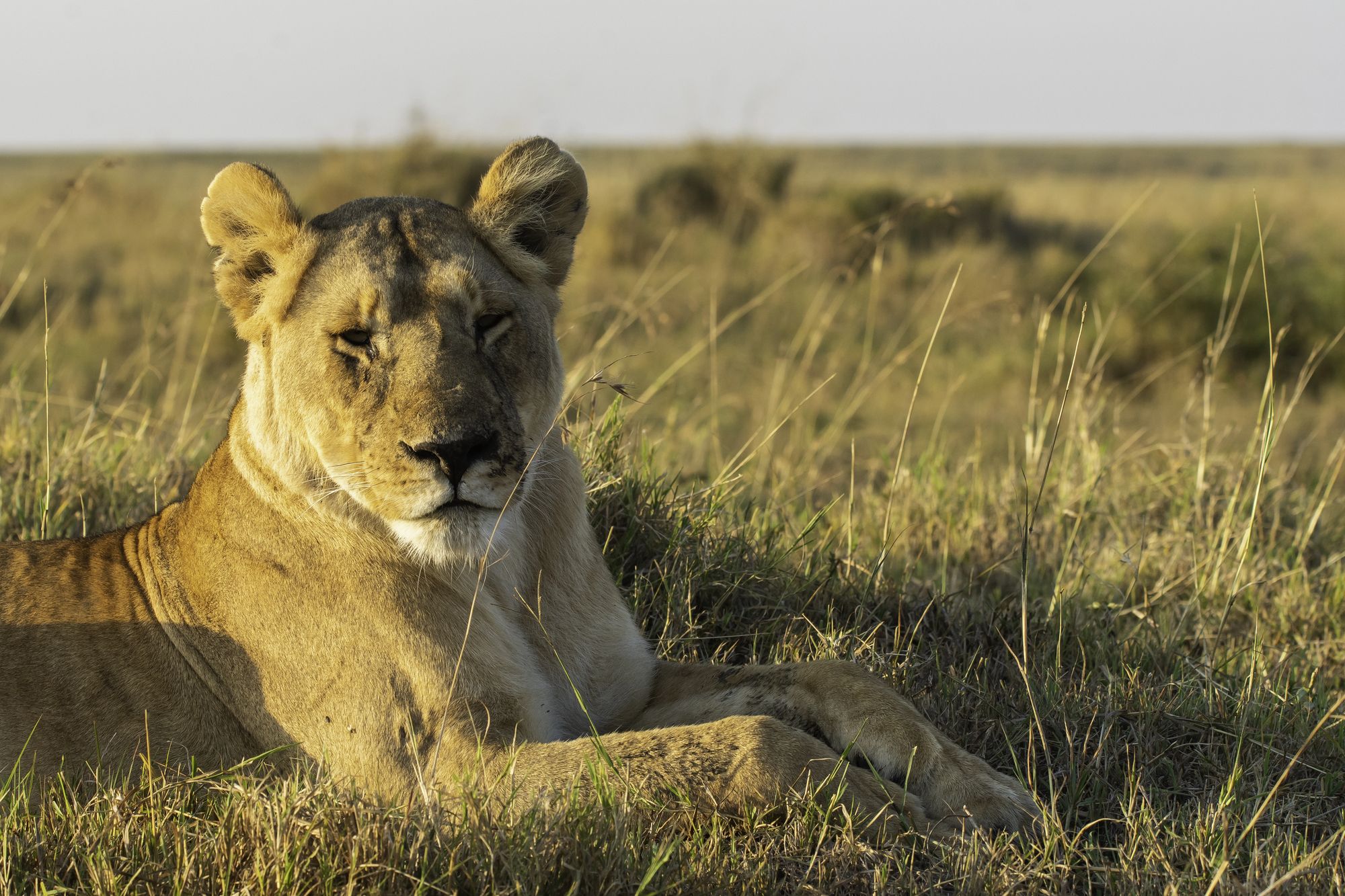
Botswana has long taken the view that its wilderness is a finite asset which mass tourism would degrade, and has managed access accordingly: relatively few beds, concentrated in leased concessions, at rates that the market will bear because supply is constrained.
The policy is implemented mostly through land allocation and lease terms rather than through prices directly. Cap the beds and the rates follow.
What it produces, for a traveller
- Sightings with one or two vehicles at them, because there are not enough beds nearby to produce more.
- Whole days without seeing another vehicle, which is genuinely scarce in African travel.
- Camps small enough to bend — an early departure is a conversation rather than a policy.
- Land that permits walking, night drives and off-road driving, because concessions operate under leases rather than statute.
- A landscape that has not been built on, which is the cumulative effect of all of the above over forty years.
What it costs
Access, for most people. A Botswana safari is out of reach for a great many travellers who could comfortably afford Kenya or Tanzania, and that is the intended consequence of the policy rather than an unfortunate side effect.
It also means there is very little middle market. Where Kenya has a deep field of good camps at every level, Botswana has a narrow one concentrated near the top.
Where the policy does not apply
In the national parks. Chobe National Park and Moremi Game Reserve are public land with statutory rules and no cap on vehicles at a sighting, and the Chobe riverfront in peak season is genuinely busy.
So "Botswana is empty" is true of the concessions and not of the parks. A trip built on park-adjacent lodges buys the country’s price without much of the country’s advantage, and it is the commonest way to be disappointed here.
Our position on it
We are a planning guide, not a commentator on Botswana’s policy, and it is not our place to tell you whether constraining access to wilderness by price is right.
What we can do is describe the mechanism accurately, tell you what it delivers, and be straight about who it delivers it to. It produces something scarce and expensive, and whether that trade is worth making is genuinely yours to judge.
The practical reading
If you are paying Botswana prices, make sure you are buying Botswana’s product. That means concession land for most of the trip, three nights per camp, and enough days that the flying does not eat the holiday.
A cheap Botswana trip on public land is the worst of both.
Ready to turn this into a real itinerary?
Send us your dates, who is travelling and roughly what you want to spend per person per night. Our Botswana specialist comes back within 24 hours with a plan built around them and a costed quote.